
Top Film Presets for Lightroom
Digital cameras are incredible, but sometimes the images they produce feel too perfect. Too sharp. Too clean. Too modern. That’s why film-style editing has exploded over the last few years — photographers are craving emotion, softness, and imperfections that feel human. Enter film presets for Lightroom. These presets help you recreate the tones, grain, and contrast of real film stocks in just one click.
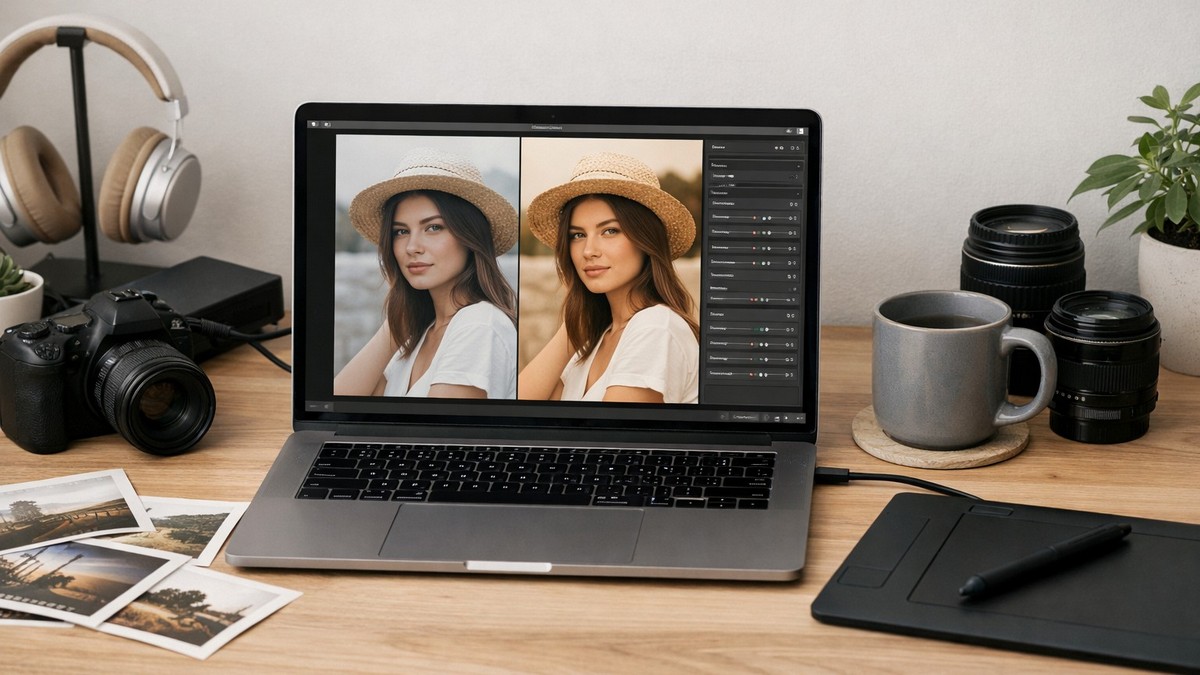
Whether you’re chasing the warm nostalgia of Kodak, the clean colors of Fuji, or the moody character of vintage analog cameras, film presets make it easy.
LIGHTROOM PRESETS
If you want to level up your photo editing and color grading, I’ve put together a page with my favorite presets — the ones that actually work — plus exclusive discounts. Open it in a new tab and save it for later, so you always have a go-to place for reliable tools and inspiration.
EXPLORE PRESETSWhy Film Presets Are So Popular in 2026
Film presets aren’t just trendy — they solve a real problem. Modern cameras create technically perfect files, but not necessarily emotionally engaging ones. Film-inspired editing adds:
- softness and nostalgia
- expressive color shifts
- vintage-style contrast
- subtle imperfections that feel natural
- emotional storytelling
In a world full of over-edited digital photos, film presets help your images stand out with style that feels intentional, not forced.
What Makes a Film Preset Actually Look Like Film?
Not every “film preset” looks like film. Many are just random color shifts. True film-style presets usually include:
1. Soft Contrast
Film rarely has deep, crushed blacks. Shadows are usually lifted, and highlights roll off gently.
2. Muted, Calm Colors
Digital sensors oversaturate; film often softens colors, especially reds and greens.
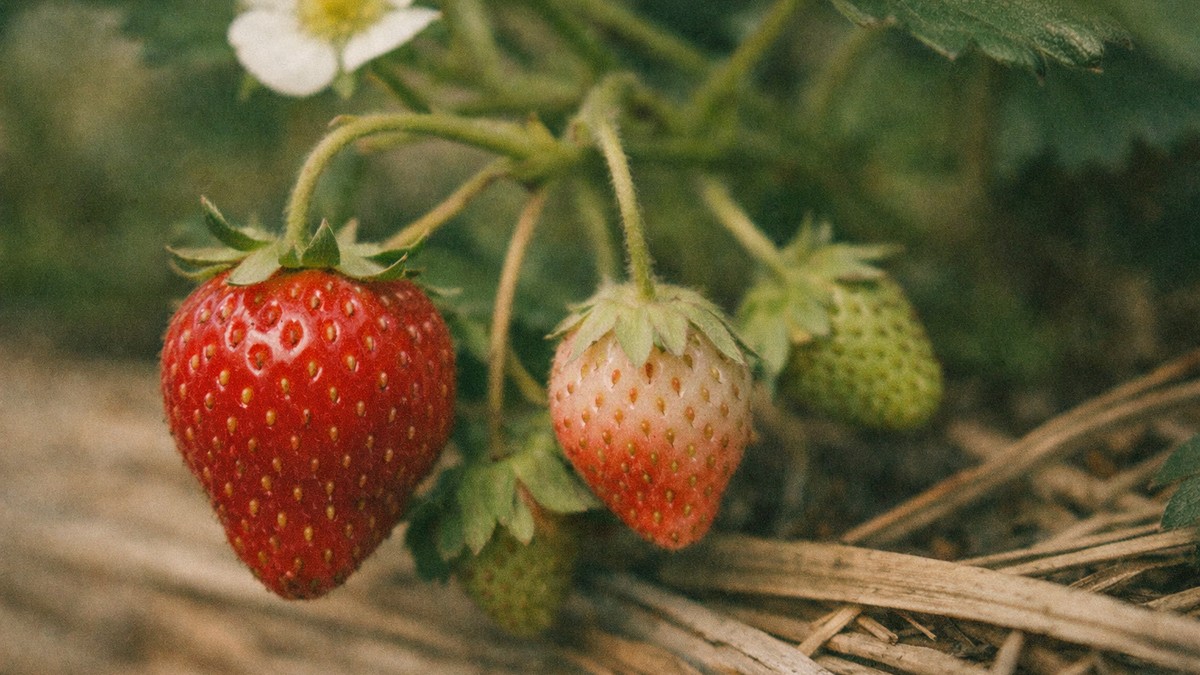
3. Subtle Grain
Not the fake “sandstorm” grain — but a fine, natural texture similar to Kodak or Fuji stocks.
4. Warm Highlights and Cooler Shadows
This gives photos that recognizable analog “depth.”
5. Natural Skin Tones
Film never makes skin orange or neon — it keeps it warm and honest.
When a preset has all of these, you get a true film look that works across portraits, travel, street photography, and lifestyle.
Types of Film Presets and When to Use Them
There are hundreds of variations, but most film presets fall into these main groups. Understanding them helps you choose the style that fits your work.
Kodak-Inspired Presets
Warm, nostalgic, emotional. Slightly saturated skin tones with soft contrast.
Best for: portraits, travel, everyday moments.
Fuji-Inspired Presets
Clean, true-to-life colors, gentle contrast, and a calm overall palette.
Best for: lifestyle, outdoor shoots, weddings.
Cinematic Film Presets
Muted, moody, with deep greens and soft highlights. Think indie movies.
Best for: storytelling photography, portraits with atmosphere.
Vintage/Retro Film Presets
Faded tones, matte blacks, noticeable grain, and pastel color shifts.
Best for: creative projects, editorial, nostalgic content.
Black & White Film Presets
High micro-contrast, strong grain, and dramatic shadows.
Best for: portraits, street photography, emotional storytelling.
Best Film Presets for Lightroom in 2026 (By Style)
Let’s break down the most practical and reliable film looks photographers use today.
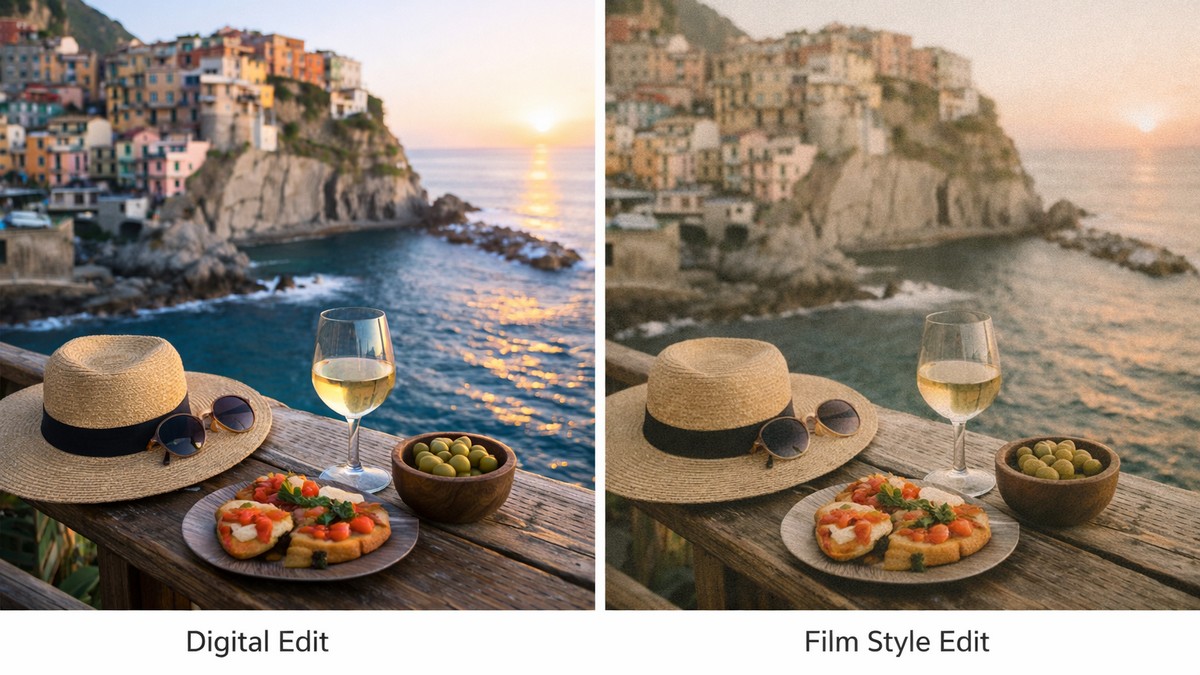
1. Classic Kodak Film Look
Warm, inviting, emotional — the style everyone recognizes instantly.
Typical characteristics:
- golden highlights
- slightly lifted shadows
- rich reds
- soft transitions
Works beautifully on everything from portraits to travel shots.
2. Fuji Film Look
Fuji-inspired presets are cleaner and lighter. They preserve realistic skin tones and have a modern, editorial feel.
Characteristics:
- cool greens
- balanced contrast
- natural saturation
- no heavy color shifts
Great for lifestyle and outdoor sessions.
3. Cinematic Moody Film
This style is dramatic but not overdone. You get deep greens, matte blacks, and a bit of mystery.
Characteristics:
- lower saturation
- controlled highlights
- strong mood
- works well in cloudy or soft light
Perfect if you want emotional storytelling.
4. Retro Vintage Film
These presets create an aged, faded look — like a box of old prints from the attic.
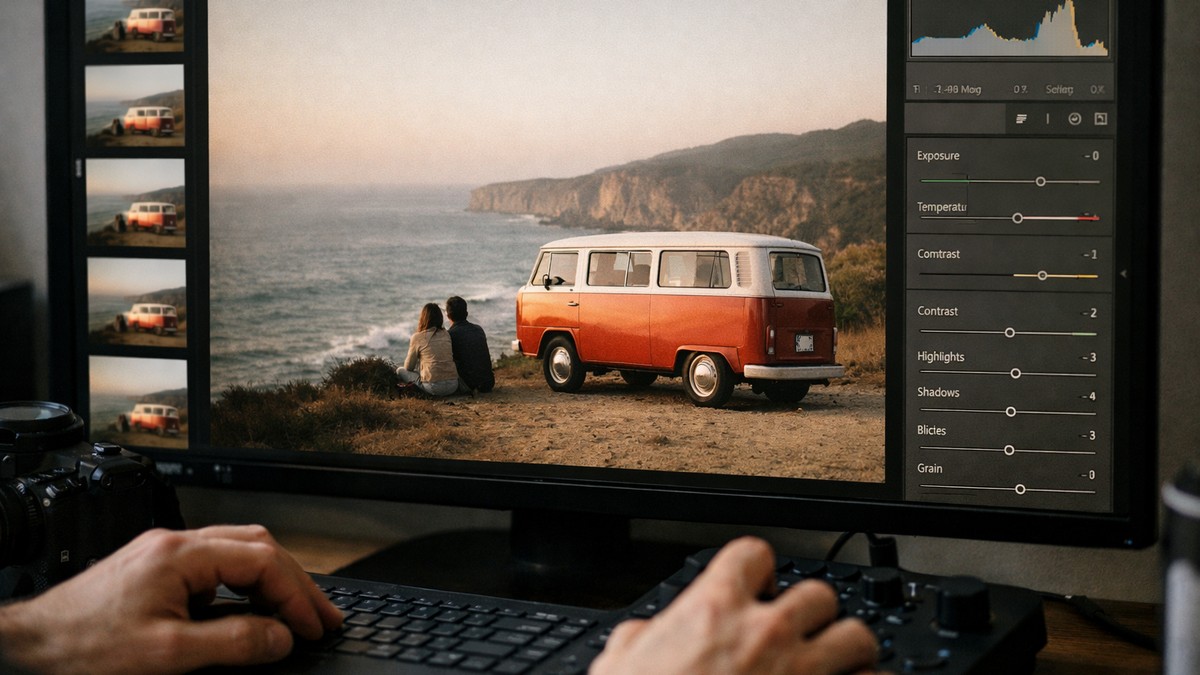
Characteristics:
- pastel colors
- soft grain
- matte shadows
- low contrast
They transform ordinary images into something nostalgic and artistic.
LIGHTROOM PRESETS
If you want to level up your photo editing and color grading, I’ve put together a page with my favorite presets — the ones that actually work — plus exclusive discounts. Open it in a new tab and save it for later, so you always have a go-to place for reliable tools and inspiration.
EXPLORE PRESETSHow to Use Film Presets Correctly (Even If You’re a Beginner)
Presets aren’t “one-click perfection,” especially film presets. But with a few small adjustments, they produce gorgeous results.
Step 1: Fix Exposure First
Film presets assume proper exposure. Dark underexposed raws will look muddy.
Step 2: Adjust White Balance After Applying the Preset
Film tones react strongly to warm/cool shifts — a small change can make the preset perfect.
Step 3: Control the Grain
Too much grain looks fake. Keep it subtle.
Step 4: Tweak Contrast to Fit the Scene
Bright outdoor shots need different contrast than indoor soft light.
Step 5: Don’t Overdo the Fade
A small matte effect looks analog. A heavy fade looks cheap.
Why Film Presets Work for Both Beginners and Pros
Beginners love film presets because they “fix” photos quickly.
Professionals love them because they create consistent style across entire galleries.
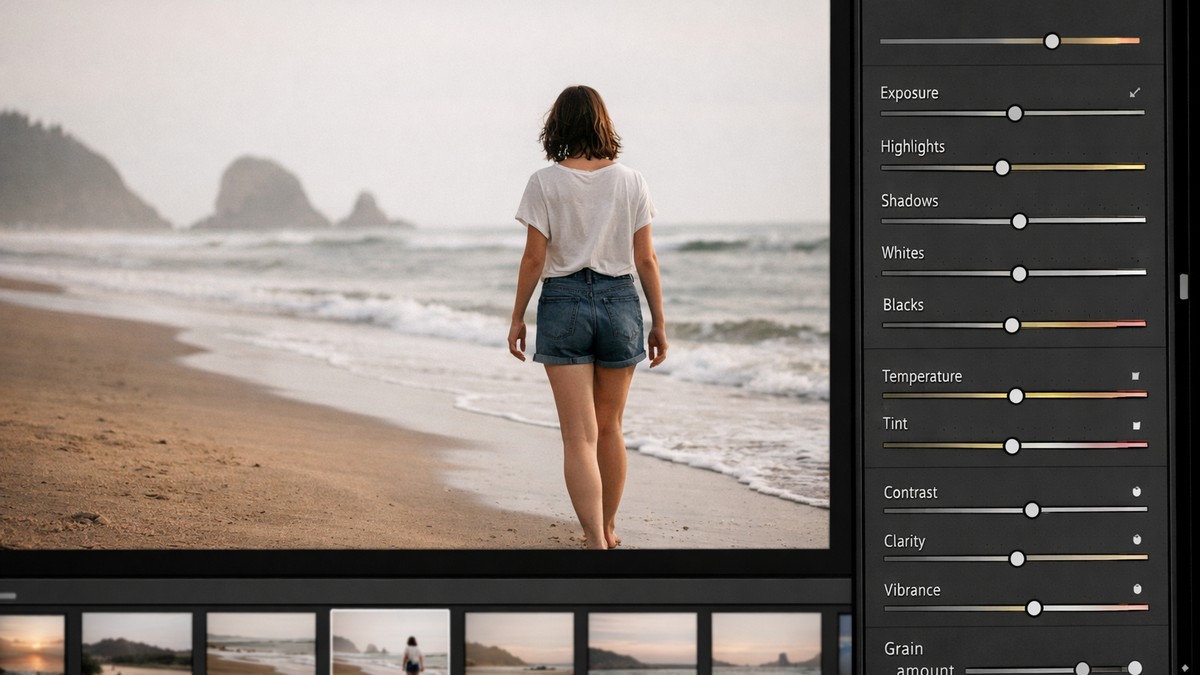
Film presets help with:
- faster editing
- consistent storytelling
- better color management
- recognizable style
- cohesive social feeds
They’re especially useful if you shoot weddings, portraits, travel, or lifestyle content — where emotion matters more than clinical precision.
Should You Use Free Film Presets?
Short answer: you can try, but results vary.
Free film presets often:
- push saturation too hard
- add unrealistic grain
- break skin tones
- are made for one specific lighting condition
Still, they’re helpful for exploring what film style resonates with you.
If you want predictable, professional results — you’ll want presets designed with real film behavior in mind.
Final Thoughts: The Best Film Presets Are the Ones You Can Use Every Day
Film presets aren’t about copying the past — they’re about bringing emotion into modern digital photography. The right presets help you build a style that feels natural, timeless, and personal.
The best workflow is simple:
- One clean film preset for everyday use
- One moody preset for storytelling
- One Kodak-style preset for color-rich moments
- One B&W preset for portraits and street work
When you find presets that feel like you, editing stops being a chore and becomes part of your creative identity.
LIGHTROOM PRESETS
If you want to level up your photo editing and color grading, I’ve put together a page with my favorite presets — the ones that actually work — plus exclusive discounts. Open it in a new tab and save it for later, so you always have a go-to place for reliable tools and inspiration.
EXPLORE PRESETS

