
Top 50 types of photography
Photography genres are thematic categories that help organize your work by style, content, and purpose. They make it easier to understand why a photo is being created: for advertising, documentation, personal memories, or artistic expression. This way of thinking simplifies learning, client work, and choosing the right format for a project. Many genres overlap, and sometimes the difference between them is just a subtle nuance.
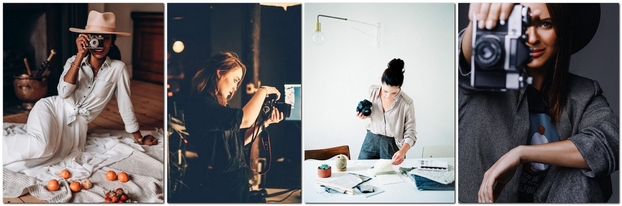
Commercial – genres directly tied to client work and advertising. Semi-commercial – not always paid by default, but can bring income through magazines, blogs, stock photography, or portfolio work. Non-commercial – closer to art and self-expression, where creative freedom is more important than profit. Exotic directions – rare and niche genres that open new sides of photography and are fun to explore.
This guide is also available in Russian: Жанры фотографии: ТОП 50 направлений.
At the end of this article you’ll find a short mini-FAQ about photography genres with quick answers to popular questions. It will help you get an overview of the topic even faster.
Let’s take a closer look at the main photography genres. Are there really that many of them, and what makes each one unique? Below you’ll find a convenient structure that helps you jump between sections.
What are photography genres
Photography genres are directions of shooting with recognizable subjects, goals, and techniques. In simple terms, they are “frames” that help you understand what you’re shooting and how you want to show it. It might be people or objects, emotions or facts, advertising or art. Once you choose a genre, it becomes much easier to set up light, pick a lens, choose poses, props, and locations.
For beginners, genres are also a way to stay focused. Try a few different directions, notice what feels natural for you, and then go deeper into those areas instead of scattering your attention everywhere.
Different genres require a different approach to shooting. The word “photography” comes from Greek: “photo” means light and “graphy” means to write. In other words, you literally “write” an image with light.
The first stable photographic image was created in 1822 by Joseph Nicéphore Niépce. If you compare that date to the timeline of human history, photography is still a very young medium.
Yet in this short period, an impressive number of genres and styles has appeared. In this article I tried to collect the most important ones in one place.
Since there is a dedicated section on this site about making money with photography, I also look at genres from the standpoint of monetization. With the right approach, almost any direction can be monetized.
But it is important to remember: some genres are easy to turn into income, while others are much harder to sell. Поэтому я условно делю их на несколько категорий: non-commercial, semi-commercial, commercial and exotic.
Commercial photography genres
These are the genres most often ordered by clients and businesses. Here, technical accuracy, deadlines, and predictable results are critical.

Commercial photography often starts with a simple studio setup: lights, background, and the product or subject in the center of attention.
In this group you’ll find genres that are relatively easy to monetize because demand for this type of imagery is high. Working in any of these niches, you can build a full-time career and forget about a traditional 9-to-5 job.
Advertising photography
Advertising photography is a genre where the main goal is to sell a product or service through a visual idea. It’s not just about a beautiful image – the photo has to work. It should grab attention, create desire, and make the brand recognizable. Every element in the frame – from light and composition to props and model – serves a single purpose: trigger the right emotion and push the viewer toward action.
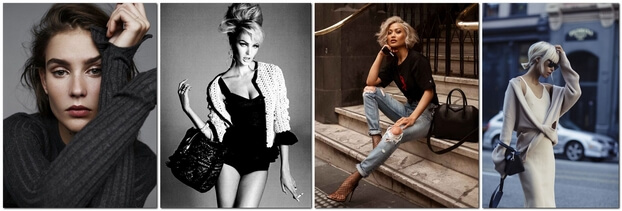
This genre requires a high level of professionalism and the ability to work in a team. A typical advertising shoot involves a whole production crew: art director, stylist, makeup artist, hair stylist, retoucher. Pre-production often includes building a moodboard, approving references, writing a production plan, and doing test lighting setups.
Advertising photography is in demand in many areas – from fashion and beauty to automotive, food, and tech. Creativity, attention to detail, and technical perfection are highly valued here. A successful campaign can turn a product into something people genuinely want and has a direct impact on sales. That’s why advertising projects are among the most profitable in the industry.
Fashion photography
Fashion photography is a genre where the main focus is style, clothing, and the visual identity of a brand. The key task is to present outfits, accessories, or a designer’s collection in a way that looks expressive and desirable. Everyday realism is not the priority; the mood, aesthetics, and story of the look are more important.

To achieve this, fashion shoots are usually done by a team: a stylist selects looks, a makeup artist and hair stylist build the beauty concept, and the photographer is responsible for lighting, angles, and overall composition. True fashion work is rarely improvised – there is usually a clear concept, moodboard, and carefully chosen location.
Fashion photography is in high demand for magazines, campaigns, lookbooks, and social media. It shapes trends and influences the fashion industry as a whole. Light plays a special role here: it helps show fabric texture, create accents, and set the mood of the collection.
Fashion photography often goes far beyond simple catalog shots. It becomes a form of art where the photographer and team create not just an image of clothing, but a full visual story that reflects the brand’s style and philosophy. That’s why the best fashion images are perceived as stand-alone works of art.
Beauty photography
Beauty photography focuses on close-up portraits where makeup, skin, and facial details become the main subject. Light must be carefully controlled to emphasize skin texture, the sparkle in the eyes, and the subtle tones of cosmetics. Unlike classic portraiture, beauty work almost always involves a professional makeup artist and stylist, because the look of the model is the core of the image.
Sometimes the makeup itself becomes experimental or avant-garde: bold colors, unusual textures, graphic shapes, or mixed materials.
Beauty images are frequently used in campaigns for makeup brands, on magazine covers, in editorial spreads, blogs, and social media. Here, the small things are crucial: every shadow, highlight, and lash line becomes part of the composition.
Beauty photography demands strong technical skills, understanding of retouching, and the ability to balance between natural and polished looks. The best beauty work is perceived not just as portraiture, but as visual art that sets its own standards of beauty.
Family photography
Family photography is one of the most popular genres today. These sessions are usually done in studios or outdoors. The focus is on emotions, closeness, and the connection between people. Family shoots help preserve important moments: walks, holidays, or simple warm everyday scenes.

Most often, family sessions are done in cozy studios or on location, where it’s easy to capture natural, relaxed moments. The photographer’s job is not only to press the shutter, but also to create a safe and friendly atmosphere so each family member feels comfortable. As a result, the photos become keepsakes that people revisit again and again.
Children’s photography
Children’s photography is loved for its honesty and pure emotion. These sessions capture key stages of a child’s life: first steps, birthdays, school events, and everyday joy. Unlike highly staged genres, here you value real smiles, curiosity, and movement more than perfect poses.
The photographer needs to find a way to connect with the child and turn the session into a game. Только тогда получается расслабленная атмосфера и живые эмоции в кадре. Shoots can take place in a studio, at home, or outdoors – the main priority is the comfort of the young model.
From a business point of view, children’s photography is a promising niche. Parents often book repeat sessions: family holidays, seasonal shoots, themed sets. That makes this genre both emotionally meaningful and financially sustainable.
Wedding photography
Wedding photography is a commercial genre that requires professionalism, fast reaction, and a good artistic eye. It combines reportage and staged work: emotions, details, family portraits, group photos, and decor. The key to success is a clear schedule for the day and confidence in managing light in constantly changing conditions. For many photographers, weddings are the most profitable genre.

This is also one of the most responsible directions in photography. The photographer must capture genuine emotions, preserve the atmosphere of the celebration, and at the same time create flattering portraits and strong compositions.
Weddings move quickly, so you always need to be ready for surprises and work in very different lighting: bright sun, shade, indoor ambient light, evening party lights. When done well, wedding photography brings not only good income but also heartfelt feedback, because these images become part of a family’s visual history.
Portrait photography
Portrait photography is one of the most universal and in-demand genres. The main focus is the person. A portrait doesn’t just show appearance – it reveals character, mood, and energy. It can be a business portrait for a resume, website, or social media, or a more creative portrait where the photographer plays with light, angles, and styling.

Light is everything in portrait work. Soft light makes images look natural and warm; hard light adds drama and contrast. Angles and composition are chosen to emphasize the best features and unique traits of each person.
Read also: 100+ Posing Ideas for Women
For a well-rounded portfolio it’s useful to have both classic, clean portraits and more experimental ones with color, unusual poses, or creative backgrounds. This way you can meet different client needs and show your own style at the same time.
Portrait photography is also a powerful tool for self-expression. It helps people see themselves in a new light and feel more confident, while for the photographer it’s a way to grow in directing, lighting, and emotional communication.
Sub-genres of portrait photography
To understand portrait work better, you can break it down into several directions:
- Classic portrait – simple composition, neutral background, focus on face and posture. Great for official use and a universal portfolio.
- Psychological portrait – the goal is to show the inner world of a person through expression, pose, and environment.
- Business portrait – used for CVs, corporate websites, LinkedIn profiles. The style is clean, reserved, and focused on a “professional” image.
- Creative portrait – unusual angles, experimental lighting, color, props, and post-processing. This direction helps highlight individuality and show a more artistic side of the model.
It’s useful for a photographer to have examples from different sub-genres in their portfolio to demonstrate flexibility and a wide range of skills.
Interior photography
Interior photography is a commercial genre where the main goal is to show a space both accurately and beautifully. It’s in demand in real estate, architecture, interior design, and hospitality. The images should not only look nice, but also be informative: they show layout, light, materials, and details so the viewer can “feel” the atmosphere of the place.

Wide-angle lenses are common in this genre, but they require careful control of perspective so walls and furniture don’t look distorted. Shooting from a tripod helps keep everything sharp and consistent, while exposure bracketing and blending help balance bright windows and darker areas.
Light is crucial: the right combination of natural and artificial light makes a space look alive, highlights textures, and sets the mood – cozy, minimal, or business-like. Interior photography demands patience, technical knowledge, and a strong sense of composition, because these images often shape the first impression of a home, office, or hotel.
Product photography
Product photography is a commercial genre focused on shooting items for advertising, online stores, and marketplaces. The main goal is to show the product in the most appealing and truthful way: accurate color, shape, and texture. Clean work and technical precision are very important here.

Neutral backgrounds (often white) are common, though styled scenes can also be used to communicate mood and brand identity. The frame should be free from distracting highlights, reflections, or clutter. Lighting must reveal the surface and shape of the product while keeping it realistic.
This genre is especially important in e-commerce: high-quality photos directly influence sales, trust, and conversion rates. Depending on the project, product images can be simple catalogue shots or more creative and story-driven.
Food photography
Food photography is all about making dishes look appetizing. The photographer works with light, composition, and details to highlight the texture and freshness of food. Props play a big role: plates, textiles, cutlery, and background elements help create a specific mood.

Soft, diffused light usually makes food look more delicious, while directional light emphasizes texture and shape. This genre is in demand in advertising, restaurant menus, cookbooks, and social media. Success depends on the balance of aesthetics, realism, and appetite appeal.
Semi-commercial photography
Semi-commercial photography includes genres that don’t always bring direct, steady income, but can become profitable if used strategically. These images are often requested by magazines, news outlets, blogs, or sold via stock platforms. Another way to monetize them is through education – courses, workshops, or paid tutorials.
It’s not always easy to sell this type of work directly to private clients. But demand from media, editorial, and educational projects makes these genres interesting for photographers who want both creative growth and a career.
Reportage / photojournalism
Reportage is a sub-genre of photojournalism that tells the story of an event through a series of images. The photographer’s goal is to show what happened with minimal staging and maximum context and accuracy.

Timing, composition, and editing choices are everything here. Most photos you see in newspapers, news websites, and many magazines are products of photojournalism.
Documentary photography
Documentary photography grows out of reportage, but without strict time limits. The photographer observes reality without interfering, builds projects over months or years, and thinks in terms of series, not single images. Ethics, respect for subjects, and careful storytelling are especially important in this genre.
Sports photography
Sports photography captures the energy of competition and the dynamics of movement. To freeze the key moment, photographers use burst mode and fast shutter speeds (around 1/1000 s or faster). Panning techniques, on the other hand, can emphasize speed and motion.

Continuous autofocus and pre-planned shooting positions are essential to get sharp images with clean backgrounds. Indoors, you often need to raise ISO and use fast lenses (f/1.8–2.8), while outdoors you can wait for peak moments – jumps, throws, finishes. Mixing wide scenes with close emotions and using diagonals makes sports images more storytelling and powerful.
Wildlife photography
Wildlife photography captures animals and birds in their natural environment. Such images are often created for nature magazines, scientific publications, or documentary projects. Photographers travel a lot, work in the field, and spend hours waiting for the right moment to document rare behaviors, interactions, or movement.

This genre requires patience, practice with long lenses, and the ability to stay unnoticed. Camouflage, hides, and remote setups are common tools. A basic understanding of biology is also helpful: knowing animal habits increases your chances of getting a unique shot.
Wildlife photography has aesthetic, educational, and cultural value. It reveals hidden worlds, builds respect for nature, and is often used in conservation campaigns. In that sense it combines art, science, and environmental awareness.
Underwater photography
Underwater photography is a relatively young genre, but it’s becoming more and more popular among both enthusiasts and professionals. It requires creative vision and technical preparation. The photographer has to deal with light refraction, limited visibility, and color shifts underwater.
Special housings, lights, masks, or scuba gear are used to protect equipment and expand possibilities. This genre opens access to truly unique scenes: weightless models, underwater fashion concepts, or marine life and reefs that feel like another planet.
War photography
War photography focuses not only on action, but also on the atmosphere of conflict. The photographer works in dangerous, fast-changing situations and must balance documentation with respect and ethics. Reliable gear, fast autofocus, and flexible settings are essential.
Longer focal lengths allow shooting from safer distances, while high ISO helps in low light. The real challenge is to show emotion – tension, courage, exhaustion, hope. Strong war photography doesn’t just depict combat; it becomes a visual record that helps others understand the human cost of what is happening.
Nude photography
Nude photography is focused on the beauty and form of the human body. It is not about explicitness for its own sake, but about harmony, aesthetics, and light. The photographer uses shadow, highlights, pose, and composition to create images that feel artistic and tasteful, not vulgar.
Trust between model and photographer is crucial here, as well as a sense of boundaries and respect. When everything is done right, nude photography can express emotion, vulnerability, strength, and elegance in a very direct but sensitive way.
Boudoir photography
Boudoir is very close to nude, but with more focus on lingerie, styling, and the overall mood of a luxurious or intimate setting. The goal is not full nudity, but suggestion, softness, and sensuality.
Details matter: lingerie, fabrics, mirrors, furniture, and light all work together to build the mood. Boudoir helps people see themselves as attractive and confident. These sessions are often done as a gift to oneself or a loved one and can be a powerful boost to self-esteem.
Architectural photography
Architectural photography focuses on buildings, streets, and urban spaces. The job is not just to document a structure, but to show its character and atmosphere. Lines, symmetry, and perspective play a huge role; the right angle can make a building look grand, minimal, or cozy.
Light changes everything here. Daylight reveals textures; sunrise and sunset give soft, warm contrast; nighttime lighting can make the scene dramatic and cinematic. Architectural photography lives somewhere between documentation and art and can turn cities into visual stories.
Stock photography
Stock photography is not a separate genre, but a way of distributing and monetizing images through platforms like Shutterstock, Adobe Stock, or iStock. Almost any genre can be “stock” – portraits, travel, food, business, product shots – as long as it has commercial potential.

Stock photography combines many genres – from portraits and travel to still life and food – but the main thing is technical quality and commercial use.
Stock photographers need to follow trends, think about keywords, and respect legal requirements: model releases, property releases, and so on. Done consistently, stock can become a form of passive income, but it requires a large, well-organized portfolio.
The rise of AI has changed the stock market significantly. It’s harder for simple generic images to compete with fast, cheap AI visuals. At the same time, stock sites are separating human and AI content, and there is still strong demand for authentic, real-life photos with people, emotions, and documentary value. The future is likely to favor images that feel honest and hard to fake.
Non-commercial photography
Non-commercial photography includes genres that create beautiful or meaningful images, but don’t always have direct client demand. Artistic value, historical importance, or scientific context often matter more here than money. Many non-commercial genres are closely tied to creativity and personal projects.
This group includes landscape photography, macro, astrophotography, street, documentary projects, and fine art experiments. These directions might not always pay the bills, but they help you grow, explore new visual ideas, and build your own style.
In non-commercial work, emotional impact, originality, and the ability to convey mood or beauty of the world matter most. These are the genres that often end up in exhibitions, books, and long-term personal projects and inspire both audiences and photographers.
Landscape photography
Landscape photography is one of the most accessible and popular genres. It focuses on natural scenery and the beauty of the environment. The location itself is important, but so are light and timing. Soft morning or evening light often makes landscapes especially expressive and three-dimensional.
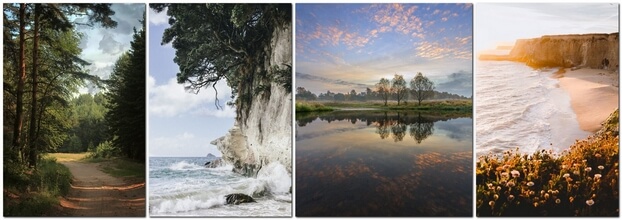
Composition is key: using foreground elements, leading lines, and a well-placed horizon helps create depth and atmosphere. Landscapes can be documentary or artistic, showing the character, colors, and textures of a place. This genre teaches patience and the ability to see harmony in nature.
Street photography
Street photography values spontaneity and real emotions. It captures the atmosphere of the city, the rhythm of the streets, and the personalities of the people living in it. Observation and quick reaction are essential: an interesting gesture, glance, situation, or play of light and shadow can turn into a powerful image.
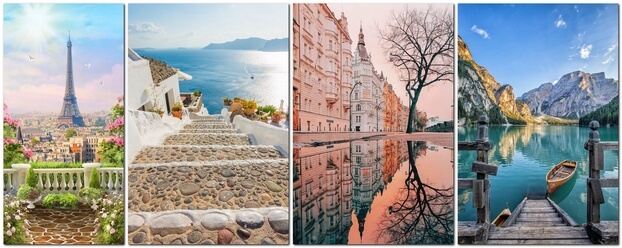
You don’t need complex gear for this genre – any camera or smartphone is enough if you have an eye for stories. Street work improves your visual awareness and creates a living visual diary of everyday life.
Urban photography
Urban photography grows out of street, but puts more emphasis on the relationship between people and architecture. The city itself becomes part of the subject. Lines, patterns, building facades, and street layouts all shape how the story looks.
The goal is to show the mood of the city – its speed and noise during the day, its calmness in the evening, or its mystery at night. Urban photography mixes reportage with architecture and turns simple scenes into visual stories about the spaces we live in.
Black and white photography
Black and white photography takes us back to the basics of light, shadow, and form. Without color, the viewer pays more attention to lines, contrast, texture, and composition. This style can make images feel more dramatic, nostalgic, or timeless.
For photographers, working in black and white is a great way to train their eye and learn to “see” light. Simple scenes can become powerful when stripped down to shape and contrast.
Fine art photography
Fine art photography is where the image becomes a form of personal expression. It is closer to painting or poetry than to documentation. The photographer builds the concept, light, composition, and details in advance to express an idea, emotion, or metaphor.
Props, styling, unusual color choices, and creative post-processing are often used here. The goal is not just to show something, but to say something with the image. In fine art work the photographer acts as both storyteller and visual artist.
Macro photography
Macro photography opens a whole microscopic world. It shows details we don’t usually notice: insects, plant textures, water droplets, fabric fibers, and more. Many macro shots look like they were made through a microscope and can be very surprising.

Special lenses and accessories are used to focus very close and still keep the subject sharp. Light must be controlled carefully to avoid harsh shadows and show tiny details. Macro photography turns ordinary objects into abstract or otherworldly landscapes, and every frame feels like a small discovery.
Micro photography
Micro photography takes this even further, using microscopes to capture structures completely invisible to the naked eye. It’s used to photograph cells, crystals, microorganisms, and more.
There are two main directions: classic optical micro photography and modern digital methods with dedicated sensors and advanced processing. This genre is important in science and education, but also has artistic potential because the micro world is often surprisingly beautiful and abstract.
Travel photography
Travel photography aims to capture the spirit of a place. Not just landmarks, but also everyday life, culture, food, transport, and the small details that create atmosphere.

Each series becomes a visual story about a country, city, or region. Travel photography is close to documentary and reportage, but with a strong artistic component. It’s popular in magazines, blogs, and projects about travel and lifestyle.
Tourist photography
Tourist photography is a narrower direction focused on preserving memories of trips. It’s more personal and often centered on “I was here” moments. The main subjects are iconic locations, viewpoints, and classic postcard angles.
The goal is to keep emotional memories and share impressions with friends or social media. But with the right eye, even tourist shots can become atmospheric and artistic.
Travel vs tourist photography
Travel photography is about telling a story of the place: culture, people, everyday life, emotions, and views. Tourist photography is mostly about personal memory: highlights, famous spots, and beautiful scenes. Travel work is usually deeper and more documentary; tourist work is more personal and casual.
You can think of it this way: tourist photography is a part of travel photography, while travel is a broader, more storytelling-oriented version of it.
Night photography
Night photography attracts many enthusiasts because the results can be very impressive – especially when shooting cities, stars, and light trails. It’s a genre where you work with darkness and artificial light instead of daylight.
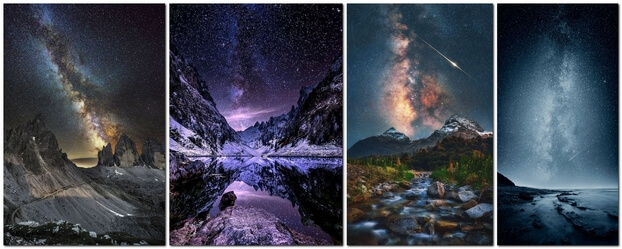
Tripods, long exposures, and higher ISO values are standard tools here. You can capture starry skies, car trails, illuminated architecture, and more. Night photography lets you show the world in a way we don’t see with the naked eye and often feels cinematic and magical.
Astrophotography
Astrophotography is a very specialized direction focused on stars, planets, galaxies, and other celestial objects. It usually requires telescopes, tracking mounts, dedicated cameras, and complex processing.
While observatories do the most advanced work, many enthusiasts are entering this field thanks to more accessible equipment. Astrophotography sits at the intersection of science and art: each image is both a beautiful scene and a record of a real part of the universe.
Aerial photography
Aerial photography is done from above – using planes, helicopters, drones, and other platforms. It reveals patterns and structures invisible from the ground: city grids, road networks, farm fields, coastline shapes, and more.
Today aerial images are used in mapping, science, construction, real estate, tourism, and creative projects. They can be both highly informative and artistically striking.
Still life photography
Still life is a genre where objects are arranged into a deliberate composition. Light, color, texture, and placement all matter. Flowers, fruit, books, dishes, or decor pieces are often used to build mood and visual story.
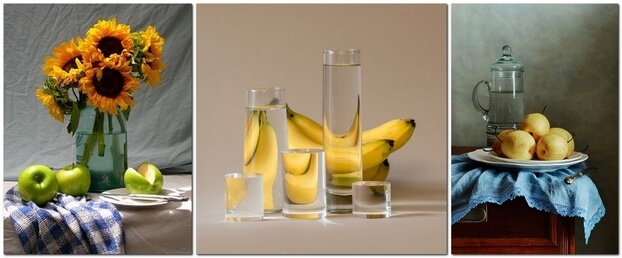
This genre gives complete control over the frame, which makes it perfect for practicing style, composition, and lighting. Finished images can look like paintings, and still life work is often used in editorial, commercial, and fine art contexts.
Photo hunting
Photo hunting (wildlife stalking) focuses on animals in their natural habitat, but with even more emphasis on patience and stealth. The photographer blends into the environment, often using camouflage and long lenses, and waits for the right behavior or scene.
The value of this genre is in honest, natural images: no enclosures, no posing, just real life in the wild.
Spotting
Spotting is all about transport – especially planes. Enthusiasts collect images of aircraft, noting airline liveries, models, and registrations. The genre combines documentation, hobby, and community.
Many spotters create archives and share images on specialized forums or social media. There are similar directions: trainspotting for trains, shipspotting for ships, birdwatching for birds. All of them are about observing and capturing specific subjects over time.
Exotic genres and directions
Exotic photography genres are rare, unusual approaches that break away from mainstream styles. Some of them are rooted in history, like film and pinhole photography. Others appeared thanks to new tech – drone images, VR, or 3D.
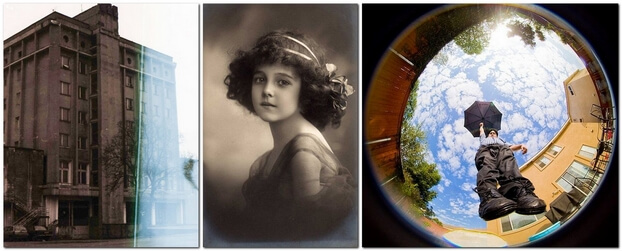
These directions are valuable because they encourage experimentation and help photographers stand out in a crowded field. They often become platforms for creative projects and new visual ideas. Some are almost “extinct,” others are just emerging, but all of them add variety to the medium.
Mobile photography
Mobile photography is based on shooting with smartphones and compact devices. Its popularity comes from simplicity: your phone is always with you, and you can capture interesting moments instantly.
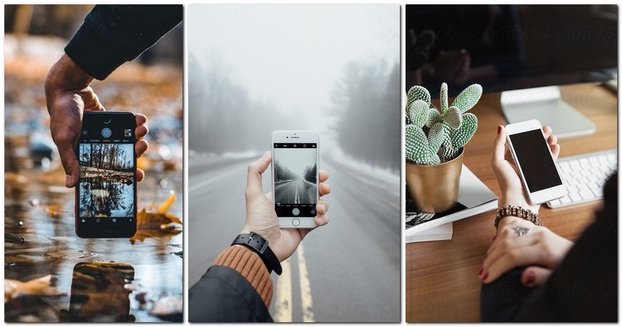
Here, story and timing often matter more than pure technical quality. Mobile photography is a great way to train your eye, practice composition, and share visual stories in real time. With modern phones getting better each year, this genre is becoming a serious direction in its own right.
Lomography
Lomography is an experimental film movement where the process and spontaneity are more important than technical perfection. Strong colors, light leaks, blur, and “errors” are all part of the style.
It grew out of cheap LOMO cameras and turned into a global community with its own philosophy: think less about rules, shoot more, and have fun. Lomography invites you to embrace imperfections and see beauty in randomness.
Post-mortem photography
Post-mortem photography was especially common in the 19th and early 20th century. Photography was expensive and rare, and for many families this was the only chance to have a picture of a loved one.
Photographers tried to make the deceased look peaceful and sometimes “alive,” posing them in chairs or surrounded by relatives. Today this practice is almost gone, but it remains an important part of cultural and photographic history.
Light painting (luminography)
Luminography, or light painting, is based on drawing with light in the dark. Long shutter speeds and moving light sources like flashlights, LEDs, or fire are used to “paint” in the frame.

The results are always unique and slightly unpredictable, which gives images a sense of mystery and abstraction.
Pictorial photography
Pictorial photography was especially popular in the early 20th century. The idea was to make photographs look more like paintings: soft focus, muted tones, and artistic printing techniques were used to create images with a dream-like look. Today pictorial trends still inspire photographers who want their work to feel more like fine art than straight documentation.
Pinhole photography
Pinhole photography uses a simple camera without a lens – usually a box with a tiny hole. Light passes through the pinhole and projects an image onto film or a sensor. The images are soft, slightly blurred, and have a very special atmosphere.
This method encourages slow, thoughtful shooting and lets you see familiar subjects from a surprisingly poetic angle.
VR photography
VR photography (virtual reality) creates panoramic or spherical images that surround the viewer. With 360-degree cameras and stitching software, you can build scenes where people feel as if they are standing inside the frame.
VR photography is used in virtual tours, real estate marketing, tourism, and creative projects where immersion is important. It’s an exotic, tech-driven direction that blends photography with interactive media.
3D photography
3D photography focuses on depth and volume. It uses stereo pairs, special lenses, or algorithms to simulate a three-dimensional look.
It’s used in advertising, product visualization, online stores, medicine, and scientific imaging. In creative work, 3D opens new ways to play with perception and space.
VR and 3D photography: what’s the difference
Both VR and 3D expand how we see images, but in different ways.
VR photography is about immersion into a space. You can look around in all directions and feel present in the scene.
3D photography is about volume and depth of specific objects. It makes a single subject feel more three-dimensional.
In short: VR is about the environment around the viewer, 3D is about the object in front of them.
Other types of photography
This article would be incomplete without a few formats that are hard to call pure “genres.” They are more like special techniques or ways of capturing reality.
Some are more technical, others more artistic, but all of them expand what you can do with a camera.
Panoramic photography
Panoramic photography covers a much wider angle of view than a regular shot, often resulting in long, horizontal images. This is useful for grand landscapes, city skylines, and large interior spaces.

Panoramic shots can be made in-camera or by stitching multiple frames together in software. Panoramic photography allows you to show scale – from mountain landscapes to city panoramas in 3:1 format
Outdoor (plein-air) photography
Plein-air photography simply means shooting outdoors. The term comes from painting and is used for any genre shot in natural light. These images are valued for their atmosphere and realism, whether it’s portraits, landscapes, or reportage.
Reproduction photography
Reproduction work is about accurately copying existing images: paintings, documents, illustrations. The main goal is to stay as close to the original as possible. This is used in museums, archives, galleries, and publishing.
Composite sketch (photo fit)
A photo fit or composite portrait is built from separate facial elements. Historically this was done with physical photo templates; now it’s done digitally. It’s used in forensics and investigation.
HDR photography
HDR (High Dynamic Range) combines multiple exposures into one image to preserve detail in both highlights and shadows. The result can look very dramatic and sometimes almost surreal if overdone.

HDR is popular in landscape and architecture photography, where it helps show bright skies and dark foregrounds in a single frame.
HDR helps keep detail in both highlights and shadows, but it’s important not to lose the natural look of the scene.
Medium format
Medium format refers to cameras with a larger sensor or film size than standard 35mm. This format delivers higher detail, smoother tonal transitions, and a special “look.”
It’s often used in fashion, advertising, and landscape work where image quality is critical. Modern digital medium format systems combine this quality with current tech and give photographers very flexible, rich files to work with.
Practical tips for any genre
Light matters more than the camera. Learn to read natural light and set up artificial light – this will change your photography faster than any new gear.
One series – one idea. Decide what you want to say first, then shoot to support that idea.
References and pre-production. A simple moodboard saves time and keeps the team on the same page.
Intentional editing. Color and contrast should strengthen the story, not fight with it.
Site navigation. Use tables of contents and internal links: it’s easier for readers and clearer for search engines.
How to choose your genre
Give yourself one or two months of testing, and you’ll naturally narrow down your personal top three genres. Look at three things: audience response, how often you get paid work, and your own excitement. Then make a small plan: what to learn about technique and light, what portfolio to build, and where to look for clients.
If your goal is income, start with commercial genres and build a clear offer. In parallel, run a personal creative project for yourself so you don’t burn out and keep growing artistically.
Mini-FAQ about photography genres
Which genres are best for beginners?
Portrait, simple product photography, and family sessions. They quickly build your skills in light and composition and can turn into paid work.
What gear do I need to start?
Any modern camera or smartphone is enough. A basic kit or prime lens is a bonus. Focus on light: a window, reflector, or simple softbox will give you more progress than an expensive body.
How can I increase my chances of getting clients?
Build a narrow portfolio in one genre. Show 12–18 of your strongest images and at least one short case study about how you work.
Do I have to shoot in multiple genres?
At the beginning it’s useful to try different directions. But if you want stable income, specializing and going deeper usually works better than doing everything at once.
Conclusion
Photography genres help you understand shooting tasks, build a portfolio, and see your path – from hobby to a full-time craft. Choose one or two directions that really resonate with you. Set a simple goal: shoot a small series, do a test session with references, practice one lighting setup. Step by step you’ll shape your own style – and the genre will start working for you, not the other way around.
If I missed a genre that you care about, feel free to mention it in the comments. I might add it to this article or dedicate a separate piece to it in the future.
